
The Versatility of Indian Handloom; Importance of Weavers
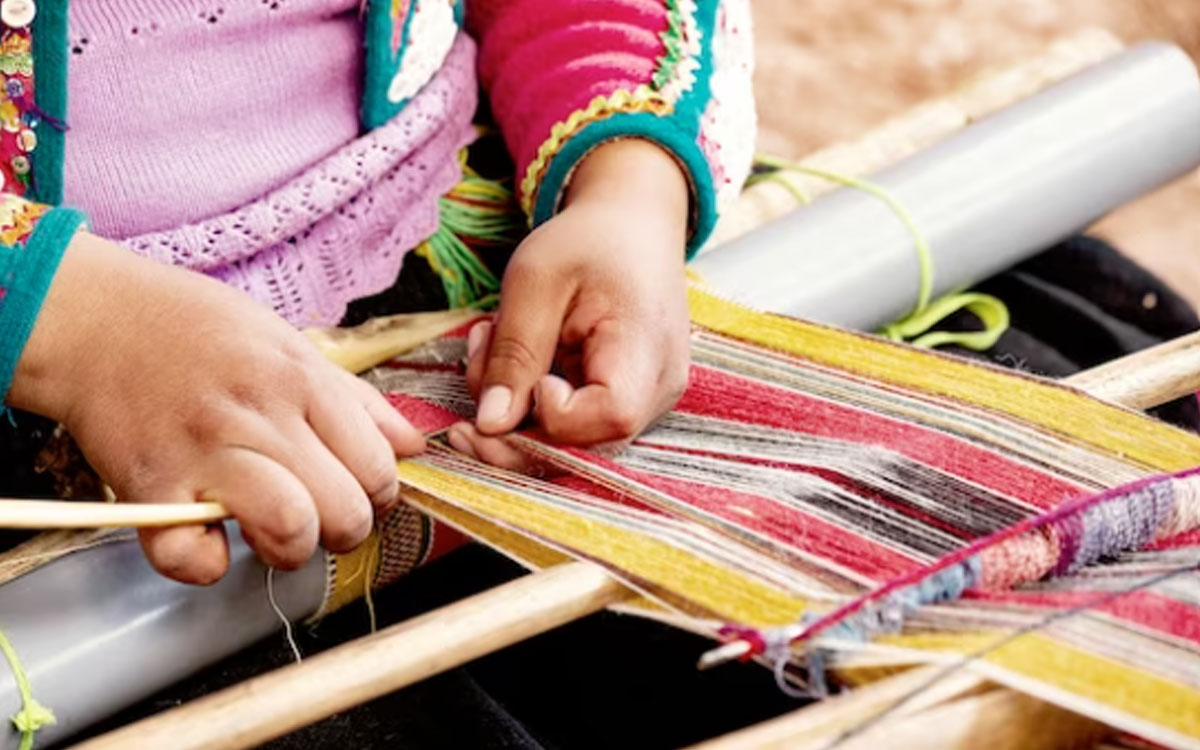
Image source: Freepik
A handloom creation is not just a fabric; it is a living heritage, a reflection of the weaver's identity and culture." - Inspired by Maya Angelou
Since we know that India is a land of cultural diversity and holds a background of rich heritage, it would be an understatement to state that it is a lively home to vibrant traditions of weaving. The Indian handloom versatility has been stood differently as a testament to the skill and innate artistry wherein weavers work day and night to breathe lives in bare fabrics.
Generally, weavers are backed by weaker sections of society but we can barely ignore the fact that they hold the most artistic and intricate details to work which is absolutely unparalleled to any modern designer.
If we are super progressive in moving ahead with the notion of ‘Make in India’, then the importance of weavers can set a great example for ‘Skill India’ initiatives. It’s never too late to begin with anything, it's time to hear the alarm bells!
Old is Gold; A landmine of how we used to drape the handloom saree
Indian handloom constitutes one of the most appealing aspects as it is widely known for its flexibility, innovation, and uniqueness. There are three most basic unstitched textiles which have gained immense popularity over the years.
Let’s explore the unexplored!
Gamchha
Gamchha is the most commonly known textile which is called differently in different regions of the country. It actually serves the purpose of a normal-wear scarf for any ceremonial greeting and can further be converted into a turban. Gamchha is also used as a waistband and a towel for many. What a multi-purpose fabric, right?
Lungi
Another common traditional garment is a type of sarong (a rectangular piece of clothing) that is worn around the waist reaching to your ankle. Lungi is yet another flexible and lightweight fabric that comes in different colors and designs. This is most commonly worn across South Asia by men and women.
Saree
Every girl has at least once in her lifetime worn a saree. There is a reason why it is known as ‘six yards of sheer elegance’.If we talk about gifting purposes back then, Saree was supposed to be a remarkable gift especially arriving from a son’s side to a mother. This is marked as a token of love and respect. On the other hand, the weavers back then used to offer sarees to the deity at the local temple. This was done to give innate blessings before it is forwarded to the daughter for the wedding ahead.
Sarees come in different patterns, colors, and motifs. At most high-end, people prefer wearing Banarasi sarees, Silk Sarees, and Kancheevaram Sarees which are the ultimate statement of dressing up.
Wrapping up!
Nowadays, Indian handloom is raising their spirits to revolutionize in terms of innovation with a pinch of modernization. Whatever new fashion may come by, Indian handloom shall never lose its desired essence. With appreciating the significance of the handloom, we not only move ahead to celebrate the culture of Indian heritage but also make contributions to the weavers and their livelihood who weave, burning the midnight oil to the tapestry of tradition and innovation.